Multiple intelligence sources have alleged that the Nigerian government secretly paid a multimillion-dollar ransom to secure the release of pupils and staff abducted from a Catholic boarding school in November, despite repeated official denials and existing laws banning ransom payments.
Sources told Agence France-Presse (AFP) that the payment was made to militants linked to Boko Haram, and that the deal also involved the release of two senior commanders of the group.
According to three intelligence officials familiar with the negotiations, the ransom — described as “huge” — was flown by helicopter to the militants’ stronghold in Gwoza, Borno State, near the Cameroon border. The cash was reportedly delivered to Ali Ngulde, a key commander operating in the area.
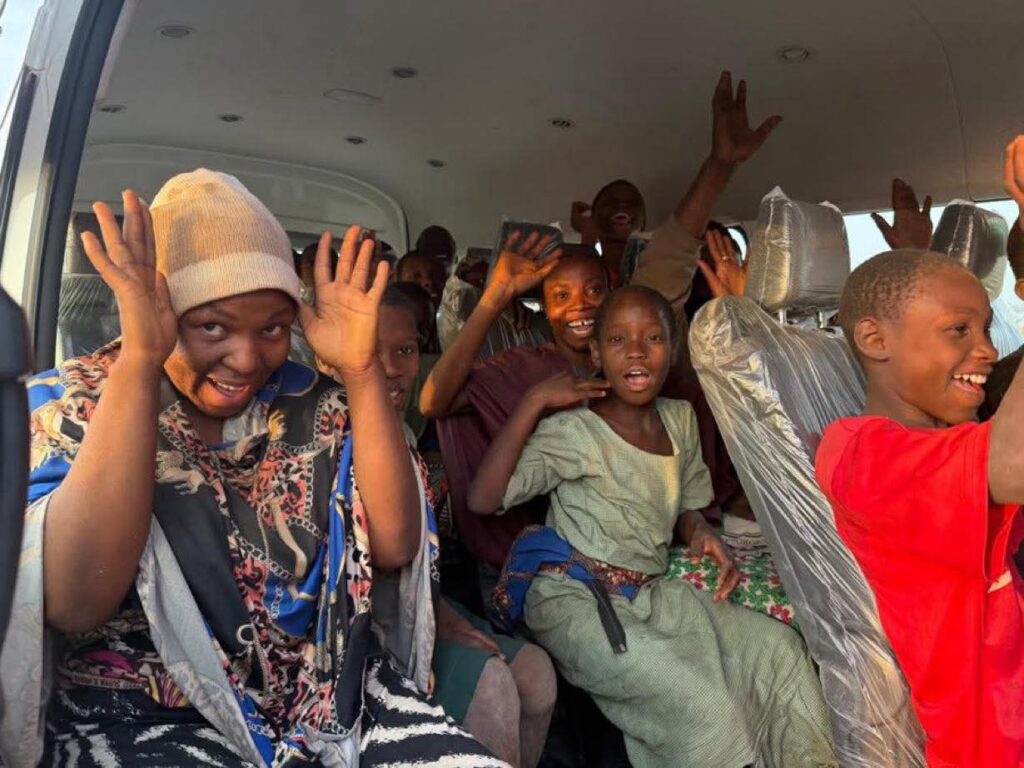
Due to poor telecommunications coverage, Ngulde was said to have crossed into neighbouring Cameroon to confirm receipt of the funds before the first batch of 100 abducted children was released.
The victims were among nearly 300 pupils and staff seized from St. Mary’s Boarding School in Papiri, Niger State, on November 21. At least 50 later escaped from captivity.
Although authorities initially avoided linking Boko Haram to the kidnapping, intelligence sources told AFP that the operation was orchestrated by one of the group’s most feared commanders, the jihadist known as Sadiku. He is also suspected of leading the 2022 gun-and-bomb attack on the Abuja–Kaduna passenger train, an incident that reportedly yielded substantial ransom payments from wealthy hostages, including bankers and government officials.
Negotiations for the release of the St. Mary’s victims reportedly lasted two weeks and were led by Nigeria’s National Security Adviser, Nuhu Ribadu. Throughout the process, the government maintained that no ransom was paid.
However, four intelligence sources directly familiar with the talks contradicted that position. One source estimated the ransom at 40 million naira per hostage — roughly $7 million in total — while another placed the overall figure at about two billion naira.
Repeated requests for comment sent to the Office of the National Security Adviser went unanswered. Nigeria’s State Security Service categorically denied any payment, insisting that “government agents do not pay ransoms.” A spokesperson added, however, that families could independently negotiate and pay for the release of relatives.
Boko Haram, which has waged a violent insurgency since 2009, remains most active in northeastern Nigeria but has expanded operations into parts of Niger State under Sadiku’s leadership. Intelligence sources said the abducted children were held in a forest camp in Borgu Local Government Area, approximately 370 kilometres from Minna, the state capital.
Vincent Foucher, a conflict analyst with France’s National Centre for Scientific Research, told AFP that the allegations were consistent with Sadiku’s operational history. “It makes total sense, given Sadiku’s past activities,” he said.
The abduction came amid heightened diplomatic tension following claims by Donald Trump that Christians were being persecuted in Nigeria. Analysts and Nigerian authorities have rejected that narrative, stressing that victims of mass kidnappings in the country cut across religious lines, with Muslims accounting for the majority.