Fresh data from the Central Bank of Nigeria (CBN) released this week shows something striking.
Credit to the Federal Government jumped to N40.38 trillion in May 2026, up from N22.99 trillion in May 2025—a massive 75.6% increase in just one year.
Even in one month, from April to May, it rose by another N779.7 billion.
Meanwhile, credit to the private sector—businesses and households—only grew modestly to N81.04 trillion.
This tells a clear story: the government is borrowing aggressively. At the same time, banks remain very careful with lending to the real economy. So what does this mean for ordinary Nigerians? Let’s break it down and look at the impact on inflation, interest rates, and the naira.
When the government borrows this much from banks and the domestic market, it injects a lot of new money into the system. Banks buy government securities, such as Treasury Bills and Bonds, rather than making loans to businesses. The government then spends this money on salaries, projects, debt servicing, and subsidies.
Think of it like this: Imagine your family suddenly gets a big loan and starts spending heavily on food, fuel, and rent. Prices in your local market will rise as demand increases, while supply may not keep up. That is exactly what happens in the economy. This type of borrowing is often called “monetisation of the deficit.”
Even though the CBN is trying to keep monetary policy tight, heavy public sector borrowing can still push up the money supply. Net domestic credit rose to N121.42 trillion in May. More money in circulation, without a corresponding increase in goods and services, usually fuels inflation. We have seen this play out before. During periods of high government borrowing, food prices and transport costs rise faster.
For the average Nigerian buying garri, rice, or fuel, this means the cost of living stays painful even if headline inflation numbers improve slightly. The good news? Private sector credit is still larger in absolute terms, more than double government credit. But the slow growth in business lending means less investment in factories, farms, and shops that could produce more goods and help bring prices down over time.
Banks love lending to the government because it is seen as almost risk-free and offers attractive yields. With the government sucking up so much credit, banks have less appetite (or need) to lend aggressively to private businesses, which carry more risk. To attract more deposits or manage liquidity, banks and the CBN may keep interest rates high.
As I write this, the Monetary Policy Rate (MPR) sits at 26.50%. The CBN has held a tight stance to fight inflation. High government borrowing creates upward pressure on interest rates. The Debt Management Office (DMO) has to offer higher yields on bonds to sell them. This pushes up borrowing costs across the board – from Treasury Bills to commercial loans. For you as an individual, Savings accounts and fixed deposits may still give decent returns. Still, if you want to buy a house or a car, or expand your business, loans will remain expensive.
For the economy, high rates for longer can slow growth. Businesses delay expansion, young entrepreneurs struggle to get capital, and job creation suffers. This is why many analysts talk about “crowding out”, meaning government borrowing crowding out private investment. Even with the aggressive borrowing, the CBN is likely to remain cautious with rate cuts. They want to avoid reigniting inflation. So expect interest rates to stay elevated through the rest of 2026 unless inflation falls sharply and sustainably.
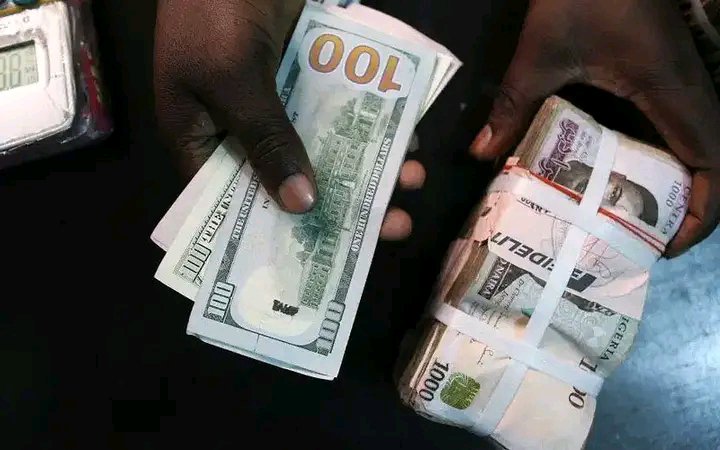
Heavy domestic borrowing can have both direct and indirect effects on the naira. On the positive side, when the government borrows in naira, it reduces the immediate need to print money or borrow externally in dollars. This can help reduce pressure on the exchange rate. On the negative side, if this borrowing fuels inflation, it weakens the naira’s purchasing power.
Higher inflation makes Nigerian goods more expensive compared to imports, worsening the balance of payments. Investors may also demand higher returns to hold naira assets, but persistent fiscal concerns can scare away foreign portfolio investors.
We have seen the naira stabilise somewhat in recent months, but renewed pressure from high government spending and borrowing could test that stability again. Lower oil revenues or delays in forex inflows would make things worse. In simple terms, if government borrowing leads to more naira in circulation and persistent inflation, people and businesses will keep demanding dollars for safety. This pushes the exchange rate higher at the parallel market, even if the official rate looks managed.
This data on government borrowing highlights what economists call “fiscal dominance,” in which government borrowing needs drive monetary policy rather than the other way around. The CBN is fighting inflation with high rates and tight liquidity, but the government’s huge deficit, part of the 2026 budget, keeps adding fuel to the fire.
Slow private-sector credit growth is also worrying. Nigeria needs businesses to borrow, invest, produce, employ people, and pay taxes. When banks prefer government paper, the real economy suffers. That is the core challenge.
In terms of policy recommendations, the government needs to improve revenue collection and tax administration, increase oil remittances, and cut wasteful spending to reduce borrowing needs. This is a hard lift, especially as the CBN continues to prioritise price stability.
Commercial banks should be encouraged (or incentivised) to lend more to productive sectors like agriculture, manufacturing, and SMEs. This means risk-free rates have to fall.
In closing, Nigeria and Nigerians have to live within our means.
Credit: Nairametrics
About the Author