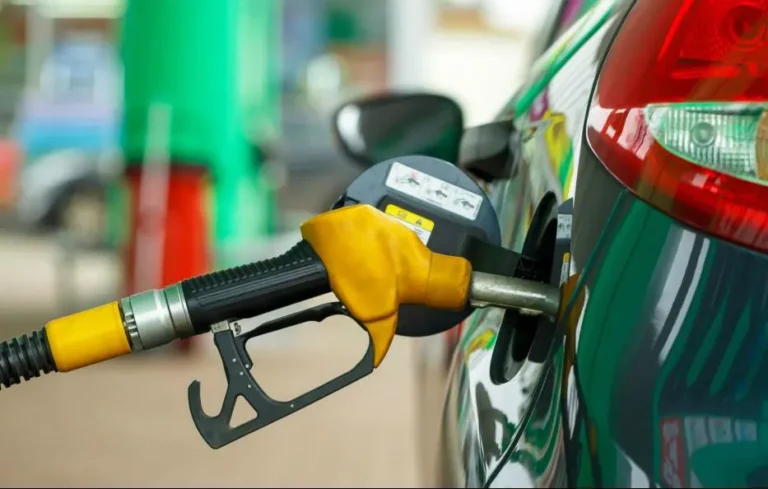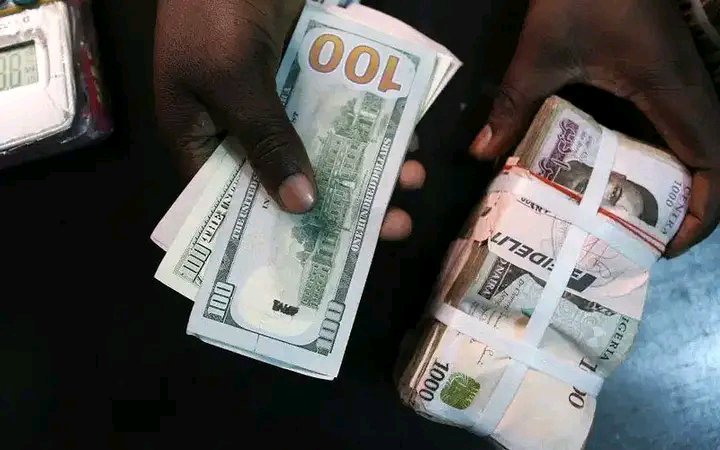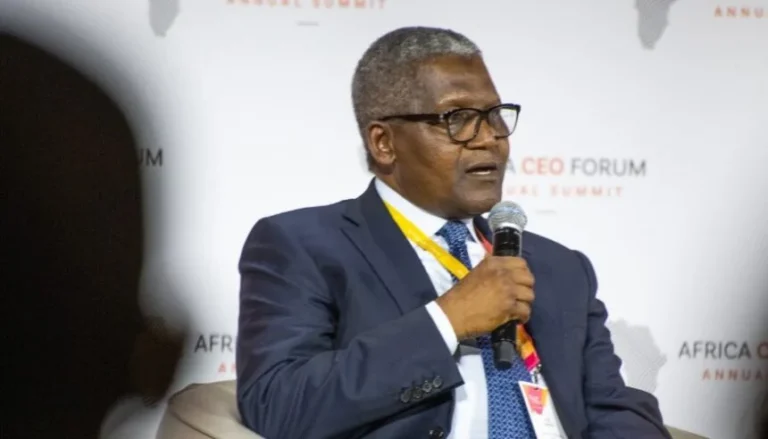
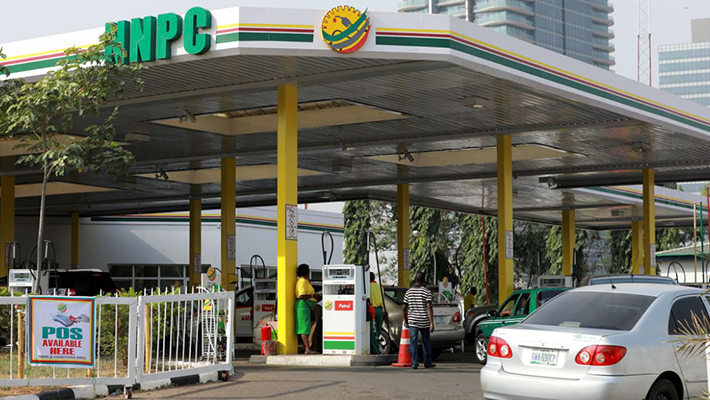
The Federal Government has maintained its stance that there is no going back on the removal of the petrol subsidy, categorically rejecting former Vice President Atiku Abubakar’s proposal to reintroduce a regulated or targeted subsidy regime
According to the federal government, it will also create legal and fiscal complications and potentially discourage investment in domestic refining, including the Dangote Refinery and other modular refineries.
The government’s position was made known by Bayo Onanuga, the special adviser to the president on information and strategy.
The federal government was reacting to Abubakar’s plan to bring back fuel subsidy if elected president in 2027.
Onanuga described the move as retrogressive, fiscally unsustainable and a product of “desperation to win the presidency”.
He said that Nigeria’s petroleum landscape had changed fundamentally since President Bola Tinubu announced the removal of petrol subsidy.
Also, the minister of finance and coordinating minister of the economy, Mr Taiwo Oyedele, said the removal of petrol subsidy had generated N15.8 trillion in resources for the federation between June 2023 and December 2025.
Oyedele explained that N5.4 trillion accrued to the federal government, while N10.4 trillion was shared among states and local governments.
Tinubu, in his response, said that Abubakar was ignorant of governance and the economy.
Abubakar, a major contender for the country’s presidency, had promised to restore petrol subsidy if elected president.
President Tinubu announced the removal of fuel subsidy while taking the oath of office on May 29, 2023.
The decision led to an increase in the pump price of petrol from below N200 to above N1,000, resulting in higher transportation, food and other living costs.
Abubakar, who is the presidential candidate of the major opposition party, the African Democratic Congress (ADC), had also supported the removal of petrol subsidy during the 2023 campaigns.
He has, however, made the restoration of petrol subsidy a major part of his 2027 campaign, arguing that Nigerians have not seen sufficient benefits from the subsidy removal.
The former vice president alleged that the funds generated from the subsidy removal had not translated into food on the tables of Nigerians or improved their lives.
On the oil and gas sector, he said that a new intervention should be designed around domestic refining, with support capped, budgeted and tied to verifiable production and consumer benefits.
According to him, every barrel of crude allocated under his proposal will be targeted and tracked to ensure that Nigerians benefit from the intervention.
Abubakar said that his proposal was not a return to the opaque subsidy regime of the past, but a controlled mechanism that would support Nigerian refineries while ensuring that the benefits of cheaper crude feedstock were transmitted to consumers.
About the Author