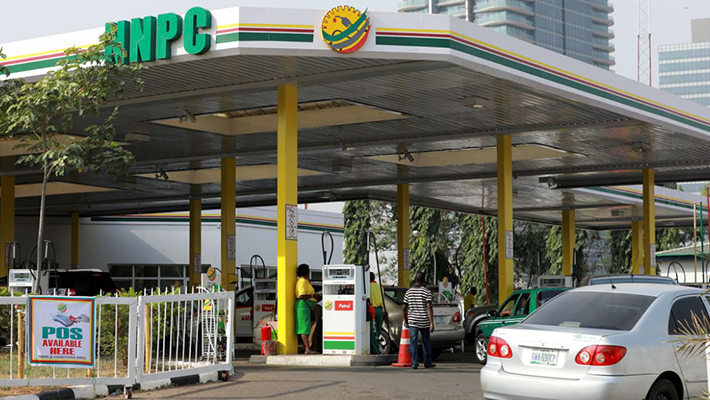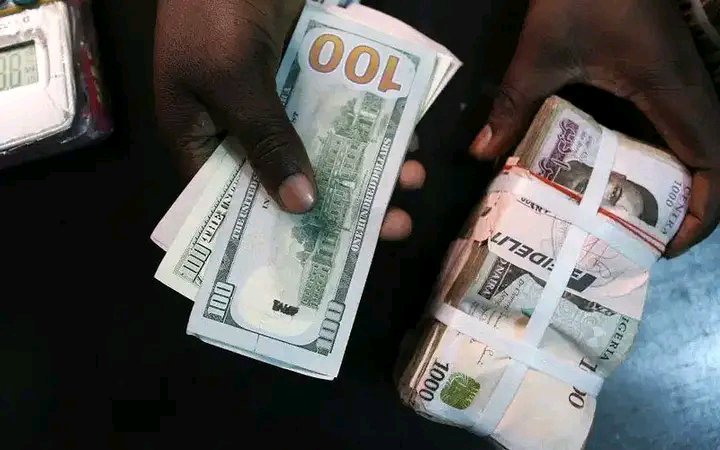
The price of petro) jumped from N198 to N1,330 between May 2023 and May 2026, representing approximately a 643 per cent price increase in three years.
Findings showed that the surge in petrol prices was triggered by the removal of subsidies by President Bola Tinubu immediately after he was sworn in on May 29, 2023.
The devaluation of the naira compounded the situation, causing the then-imported product to rise beyond the reach of many Nigerians, The PUNCH reports.
Three years later, the cost of a litre of petrol jumped at filling stations, ranging between N1,300 and N1,400, depending on the location.
The current price surge from about N800 some months ago to N1,300 was occasioned by Middle East tensions, which led to global oil disruptions due to the closure of the Strait of Hormuz.
Recall that immediately after Tinubu took the oath of office, he quickly announced that “the fuel subsidy is gone.”
This led to an immediate rise in petrol prices from N198 or N200 to over N500 per litre. The Nigerian National Petroleum Company Limited, which was the sole importer of petrol, led the charge by raising its pump prices.
Remarkably, Tinubu had hiked the fuel price without recourse to the promise he made in Abeokuta during his campaign that he would bring down the price of petrol.
With the removal of fuel subsidies, the price went up, and this led to a rise in inflation across the country. But Nigerians were persuaded by the President that there would be no gain without pain.
Also, recall that when the government floated the exchange rate in June 2023, the cost of petrol rose above N1,000.
However, the NNPC quickly introduced what the International Monetary Fund tagged an “implicit subsidy” payment through the back door. While the landing cost of petrol was around N1,200, the NNPC sold it at half the price based on the promise of the Federal Government to pay the shortfall, or what was tagged “under-recovery.”
For close to a year, the NNPC sold the product at about N600 per litre, denying claims that it was paying subsidies. However, in 2024, the state oil firm admitted to selling below the cost price.
The former Chief Financial Officer of the NNPC, Umar Ajiya, stated, “In the last eight to nine years… what has been happening is that we have been importing PMS, which has been landing at a specific cost price, and the government tells us to sell it at half price. So, the difference between the landing price and that half price is a shortfall…”
Following the admission, fuel prices rose to as high as N1,080. This coincided with the unveiling of the Dangote Petroleum Refinery’s PMS. The Dangote refinery triggered a price war in the petroleum market towards the end of 2024 when it started reducing petrol prices.
With the Dangote refinery in the sector, petrol was selling for N800 to N900 until the US-Iran conflict began on February 28, 2026. Since the US-Iran war started, the Dangote refinery has raised the gantry price of petrol repeatedly, while filling stations sell to customers at N1,300 and above.
The current rise in petrol prices has caused another increase in inflation, leading to higher transportation costs and rising prices of other commodities.
Our correspondent reports that efforts were made by the Federal Government to reduce transportation costs. The government introduced the Presidential Initiative on Compressed Natural Gas to hasten the adoption of CNG as an alternative to petrol and diesel.
Nonetheless, it was observed that CNG adoption has yet to show any reasonable effect on the cost of living. Since petrol prices recently jumped from N800 to N1,300, the Federal Government has been urged to introduce measures that could cushion the effect on the masses.
Energy economists called for targeted cash transfers to ameliorate the impact of the rising fuel prices on vulnerable Nigerians. A former president of the Association of Energy Economists, Prof Adeola Adenikinju, said the current situation presents a “two-edged sword” for Nigeria, with potential revenue gains from higher oil prices on one hand and worsening economic hardship for citizens on the other.
According to him, rising petrol costs have triggered increases in transportation fares and inflation, placing additional pressure on low-income households. “This is the time that Nigeria should say, ‘Look, we are sending some cash to those poor people who are vulnerable,’” he said, stressing the need for direct intervention to support the most affected.
Adenikinju said while recent moves to increase allowances for civil servants may provide limited relief, such measures would exclude a large segment of Nigerians working in the private and informal sectors. He therefore urged both federal and state governments to collaborate in designing broader support mechanisms.
Credit: Punch
About the Author