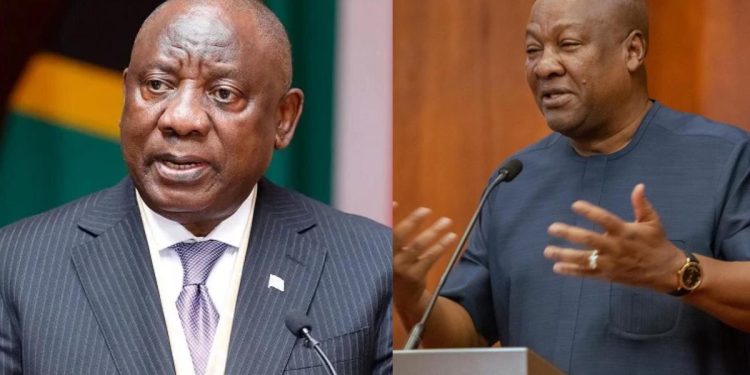
The Ghanaian government has declined a planned state visit by South African President Cyril Ramaphosa, citing concerns over the killing of a Ghanaian national and reported xenophobic attacks targeting Ghanaians in South Africa.
President Ramaphosa was expected to visit Ghana in the first week of August as part of efforts to strengthen the longstanding diplomatic and economic ties between both nations.
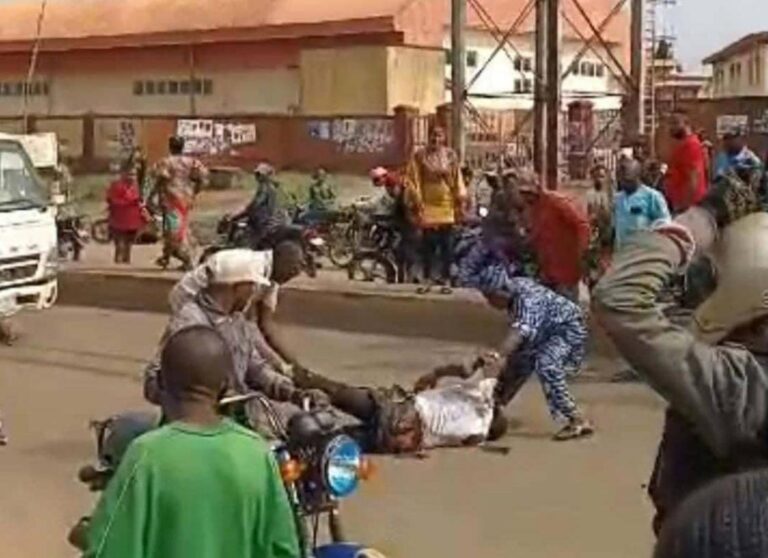
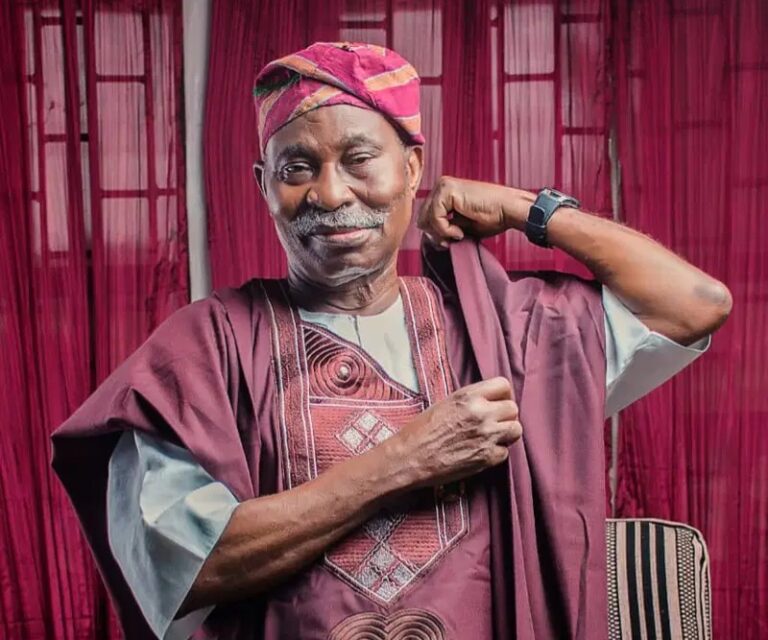
However, Ghanaian authorities have postponed the visit following the death of 40-year-old Ghanaian fashion designer Bashiru Isak, who Accra claims was killed during demonstrations linked to renewed xenophobic attacks in South Africa on June 30.
Officials in Ghana said the decision reflects growing concerns over the welfare and security of Ghanaians living in South Africa, noting that protecting citizens abroad remains a top priority.
According to Ghana’s government, Isak was shot dead during anti-immigrant protests in Khayelitsha, a township in Cape Town.
The incident prompted Accra to lodge a formal protest with South African authorities and raise the matter before the African Union.
The Ghanaian government described the killing as a tragic act of xenophobic violence and called for a thorough investigation, demanding that those responsible be identified and prosecuted.
South Africa, however, has strongly disputed Ghana’s account of events.
Authorities in Pretoria insist that no deaths were recorded during the June 30 demonstrations, which drew thousands of protesters across various parts of the country.
South African officials have rejected allegations that the protests resulted in Isak’s death or were part of a broader wave of xenophobic violence.
South Africa’s Justice Minister, Mmamoloko Kubayi, accused Ghanaian authorities of spreading inaccurate information capable of damaging the country’s international reputation.
Kubayi expressed concern over what she described as a false narrative portraying South Africa as xenophobic, maintaining that the government’s position remains committed to protecting all residents regardless of nationality.
The disagreement has reignited debate over the treatment of African migrants in South Africa, a country that has periodically faced criticism following violent attacks targeting foreign nationals over the years.
Despite the diplomatic strain, analysts note that Ghana and South Africa remain among Africa’s most influential partners, with strong cooperation in trade, investment, regional integration and continental affairs.
Diplomatic observers expect both governments to continue engagements behind the scenes in an effort to ease tensions, clarify the circumstances surrounding Isak’s death and preserve the strategic relationship that has long existed between the two nations.
Ghana continues to push for accountability over the reported killing, while South Africa maintains that the claims linking the incident to xenophobic demonstrations are unfounded, setting the stage for further diplomatic discussions in the weeks ahead.
About the Author